


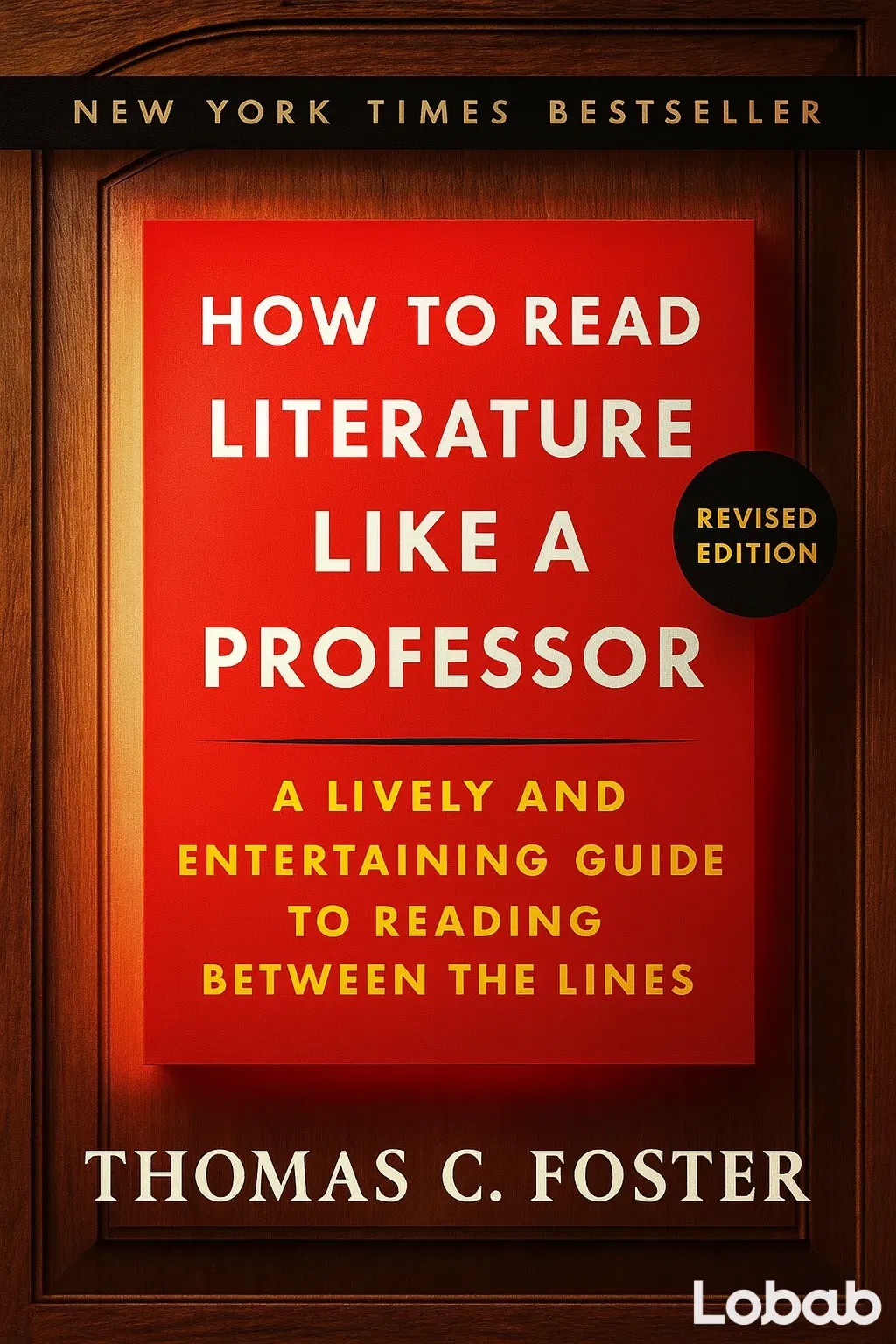
How to Read Literature Like a Professor
By Thomas C. Foster
A Lively and Entertaining Guide to Reading Between the Lines, Revised Edition. Harper Perennial, 2014.
Summary of How to Read Literature Like a Professor book by Thomas C. Foster
Revealing the tricks of the English literature trade, including the common symbols and metaphors found in classic works, the allusions that litter many a page, and the patterns that professors teach their students to recognize so they can read on a deeper level.
Chapters in How to Read Literature Like a Professor book summary
What do you get from this book? An expert’s advice for reading on a deeper, more enlightening level
To understand the language of literature, you need a great memory to recall the symbols and patterns that embellish many stories
Most works of literature draw on what came before—two of the most prominent sources being Shakespeare and the Bible
The tales of old are ripe materials for alluding to, proving that there’s one grand story, retold over again
Classic authors love to include symbols, whether it has to do with meals, the supernatural, or even the seasons
Rain, sleet, snow, and hail can all be symbolic in literature, as can the geography of the setting
The difference between symbols and allegories is simpler than it sounds—all it takes is a basic understanding of religion and politics
Physical deformities and diseases set characters apart from others and are often used for this purpose in literature
Symbols of sex and flight are rampant in literature—each can be interpreted in multiple ways
Irony in books subverts our expectations, usually to make an author’s message even more powerful
Summary of the key insights
Selected critiques in brief
Final word
Unlock all 13 chapters of How to Read Literature Like a Professor — Get full access to this book summary and thousands more on Lobab.
How to Read Literature Like a Professor — Book Summary Snapshot
Who should read How to Read Literature Like a Professor book
- Lit teachers
- college or high school students
- anyone interested in the symbolism of storytelling
- those who want to get more out of their reading experiences
About the author of How to Read Literature Like a Professor
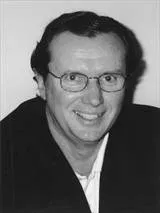
Thomas C. Foster
Thomas C. Foster is an English professor at the University of Michigan and the author of numerous bestsellers on literary forms from classic prose and poetry to novels and nonfiction. His recent work, How to Write Like a Writer, takes a bit of a twist on his previous publications, offering a glimpse at literature from the other side, and acting as a guide for creative writing.
Books similar to How to Read Literature Like a Professor
Related books that explore themes found in How to Read Literature Like a Professor
Molly Bang
How Pictures Work. 25th anniversary ed., Chronicle Books, 2016.
Elizabeth Gilbert
Creative Living Beyond Fear. Riverhead Books, 2015.
Anjan Chatterjee
How We Evolved to Desire Beauty and Enjoy Art. Oxford University Press, 2015.
Will Storr
Why Stories Make Us Human and How to Tell Them Better. Collins, 2019.
Larry Flaxman
How the Truth of the Ancients Was Encoded and Passed Down Through Legend, Art, and Architecture. New Page Books, 2014.
Topics related to How to Read Literature Like a Professor book
Explore topics that share themes with How to Read Literature Like a Professor across Lobab's library


Categories How to Read Literature Like a Professor book belongs to
Discover other book summaries in the same categories as How to Read Literature Like a Professor
If you liked How to Read Literature Like a Professor, you might also enjoy
Books on different topics that Lobab readers often explore alongside How to Read Literature Like a Professor
Toby Wilkinson
The Golden Age of Egyptology. W.W. Norton & Company, 2020.
Jasmine Brown
The Stories of Black Women Who Fought to Become Physicians, from the Civil War to the 21st Century. Beacon Press, 2023.
Isabel Allende
On Impatient Love, Long Life, and Good Witches. Ballantine Books, 2021.
Stephen Greenblatt
How Shakespeare Became Shakespeare. W.W. Norton & Company, 2016.
Elizabeth Gilbert
Creative Living Beyond Fear. Riverhead Books, 2015.
Nancy C. Andreasen
The Science of Genius. Plume, 2006.
Cal Newport
The Unconventional Strategies Real College Students Use to Score High While Studying Less. Three River Press, 2007.
Thomas C. Foster
A Smart, Irreverent Guide to Biography, History, Journalism, Blogs, and Everything in Between. Harper Perennial, 2020.
Julie Bogart
A Parent’s Guide to Growing Wise Kids in the Digital Age. TarcherPerigee, 2022.
Alex Ross
Art and Politics in the Shadow of Music. Farrar, Straus and Giroux, 2020.
Can't decide where to start?
With thousands of book summaries across multiple categories and topics, there's always something new to discover. Browse the full library to find your next great read.
Your library
All-you-can-read
Categories
15 categories
Topics
120+ topics
Today's free book summary
Every day, one book summary is completely free to read. Subscribe to unlock the entire library — or just enjoy today's pick on us.
You Never Forget Your First
Alexis Coe
A brilliant myth-busting study of the life of George Washington, illustrating his faults as well as his virtues, and written with humor and wit to paint an unbiased picture of America’s first president.
Library
All-you-can-read
Formats
Text & audio
Free daily
1 book / day
What Lobab readers are saying
Not sure if Lobab book summaries are for you? Here's what our community thinks.
“Lobab is a standout in the world of book summary apps, offering concise, insightful summaries of a wide range of books. Its user-friendly interface and well-crafted summaries allow users to quickly grasp the essence of complex works, making it an invaluable tool for those looking to learn more in less time. Whether for personal growth or professional development, Lobab is a game changer for anyone wanting to expand their knowledge efficiently. Highly recommended!”
Ramogh
Lobab Reader
“Top quality app with plenty of brilliant summaries!”
Benjamin Roche
Lobab Reader
“I found a really great book app that has made reading even more enjoyable ⭐️📚. It is super easy to use, has a lot of books to choose from, gives personalized recommendations, works well with e-readers, has an active community, and is accessible to everyone. I highly recommend it to all book enthusiasts!”
Nedal Ahmed
Lobab Reader